Should You Buy the Rx0 Ii in 2026? A Deep Dive
I've been using the Rx0 Ii for almost six months now, carrying it on hikes, stuffing it into camera bags, and mounting it on helmets and small gimbals. I bought it because I wanted a tiny, tough, image-quality-first action camera that could double as a compact B-cam for run-and-gun projects. What I found was a camera with a lot of character: excellent image quality for its size, a rugged chassis that I genuinely trusted in wet or dusty environments, and a set of compromises that make it a niche buy in 2026 rather than the obvious "one-size-fits-all" action camera.
Introduction: who the Rx0 Ii is for (and who it's not)
In my experience, the Rx0 Ii is aimed at creators who prioritize sensor performance and build quality over convenience and feature-for-feature parity with the latest mainstream action cams. If you want the absolute best stabilization, longest battery life, or an ecosystem of easy-to-use smartphone features, you might find more appealing options elsewhere. But if—like me—you value a 1-inch sensor in a truly tiny, crushproof, waterproof package and you don't mind working around a few quirks, the Rx0 Ii rewards patience with very clean images, pleasing color, and a lot of mounting flexibility.
Brief overview of what I used it for
My use cases over the last months included: trail and landscape clips, quick interviews and cutaways during travel shoots, underwater shots in shallow reef swims, and a couple of time-lapse experiments. I also used it as a compact on-camera B-roll unit while shooting with a mirrorless kit. I pair it sometimes with a pocket gimbal, and other times I simply velcro it to a rig or throw it in my jacket pocket for spur-of-the-moment captures.
Design and build — what I liked and what bothered me
First off, the build is honest. I noticed right away that I didn't baby this camera: dropping it onto pebble rock while changing lenses on my main rig didn't produce a single problem; the Rx0 Ii powered on and felt the same. Its small footprint makes it a non-obtrusive companion—easy to mount in spaces where larger cameras can't go. I appreciated that the buttons are tactile and responsive even when wet, and the rubberized sealing around ports gives confidence for beach and rainy-day shooting.
One thing that bothered me early on was the battery life and the limited space for extra cells. I found myself carrying two spare batteries and switching them often during long days. The battery compartment itself isn't fiddly, but because the camera is so compact, the battery is correspondingly small. If you rely on all-day capture, plan for power management. Another minor nuisance was the connectivity: the software ecosystem for transferring and tagging clips felt a little dated compared with more consumer-focused action cameras. I ended up relying on an SD card reader most of the time.
Image quality and performance in real-world shooting
Probably the biggest reason I kept the Rx0 Ii in my bag was image quality. The 1-inch sensor punches well above what its size suggests. Colors are pleasing straight out of the camera, and I liked how highlights behaved in bright scenes—there's a natural roll-off that I found friendlier than the sometimes harsh clipping I see on smaller-sensor action cams. In mid-day landscape shots the detail held up well, and even when I used it as a B-cam next to a larger mirrorless body, the footage blended decently after a light grade.
Find top-rated Electronics products at great prices.
See Deals →Low-light is where expectations should be managed. It's better than pocket-format sensors, but it isn't a low-light champion. I noticed noise creeping in earlier than on my APS-C and full-frame cameras, and autofocus (when used in moving scenes) can hunt. For interviews or low-light interiors I generally preferred to bring in a bigger camera, but for sporadic ambient night cuts the Rx0 Ii was usable when I kept ISO conservative and used slower shutter speeds or stabilized mounts.
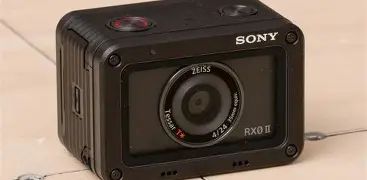
Video-wise, 4K capture has been solid for my needs—crisp enough for social and even some client work. One practical tip I learned: keep file sizes and temperature in mind. The small body has limited thermal headroom, so long continuous 4K recordings in hot conditions will push the camera to manage heat. I avoided multi-hour continuous takes and instead used short bursts or external recorders where needed.
Stabilization and handling
Stabilization on the Rx0 Ii is competent but not miraculous. When handheld walking shots are smoothed with a pocket gimbal or when the camera is mounted directly to a stable surface, results look great. When I tried to rely solely on the camera's internal stabilization for brisk running, the footage was usable but showed more roll and micro-jitters than the latest action cams with more advanced stabilization systems. For the kinds of compact setups I tend to use—helmet cams, POV mounts, and small gimbals—the Rx0 Ii's stabilization matched my workflow.
Audio, connectivity, and accessories
Audio has been a mixed bag. The internal mics capture practical ambient sound, but for any dialogue or interview work I used a lavalier and an external recorder. I missed a full-sized mic input that some other cameras ship with natively; the adapter path exists, but it adds bulk. I also found that accessories ecosystem isn't as broad as the mainstream action cam world. There are cages and mounting plates from third-party makers, but I often had to mix-and-match parts to get the exact setup I wanted. That's not a deal-breaker, but it adds a little friction.
Software and workflow
In my experience, transferring and cataloging clips required a small extra step compared to competitor apps that automatically tag and clip highlights. I appreciated that the raw files are clean and easy to grade, but I did most of my workflow via desktop rather than relying on on-device editing or mobile apps. If you depend on a streamlined phone-first workflow, expect a bit of manual effort.
Shop the latest Electronics picks on Amazon.
Browse Now →Pros & Cons
- Pros:
- Exceptional image quality for a compact action camera — 1-inch sensor gives better dynamic range and detail than typical action cams.
- Very durable and trustworthy build: waterproof and rugged without a bulky housing.
- Small form factor opens creative mounting possibilities and discreet shooting.
- Flip screen (if present) and clean color science make vlogging and quick color-corrected edits easier.
- Good pairing as a B-cam alongside larger mirrorless systems.
- Cons:
- Battery life is short for extended field days; you’ll want spares and a power plan.
- Stabilization competes but doesn't always beat the latest action-specific stabilization tech.
- Accessory ecosystem and software conveniences lag behind mainstream action brands.
- Heat and continuous 4K recording limitations in hot conditions.
- Audio requires external options for interviews or high-quality sound capture.
Comparison: Rx0 Ii vs. common alternatives (at a glance)
| Model | Sensor | Waterproof without housing | Stabilization | 4K internal | Screen | Best for |
|---|---|---|---|---|---|---|
| Rx0 Ii | 1-inch | Yes (compact sealed body) | Electronic / acceptable | Yes | Tilting small screen | Image-first tiny action camera, B-cam, rugged POV |
| Mainstream action cams (e.g., Hero series) | Smaller (varies, typically 1/1.7"–1/2.3") | Yes (designed as action cams) | Industry-leading stabilization | Yes (often with high frame rates) | Front/back touch screens | All-in-one action shooting, vlogging, sports |
| Modular/360 cameras (e.g., Insta360 / modulars) | Small to medium (varies) | Varies by module | Flow-state/electronic stabilization | Yes / 360 options | Varies | Creative editing, reframing, immersive shots |
| Compact mirrorless / pocket cameras | Large (APS-C / full-frame) | Usually no (requires housing) | Optical/in-body stabilization (varies) | Yes (high-end codecs) | Large tilt/touch screens | Highest image quality and flexibility; needs housings for extreme environments |
Buying guide: should you buy one in 2026?
Here's how I think about whether the Rx0 Ii makes sense for specific buyers. I framed these from months of hands-on use and the tradeoffs I encountered when reaching for this camera instead of alternatives.
Buy it if...
- You've been craving a genuinely compact, rugged camera with a 1-inch sensor that doesn't need a bulky housing.
- You shoot B-roll, POV footage, or action cutaways and want image quality that blends better with larger cameras.
- You're comfortable with a modest accessory investment (extra batteries, cages, microphone adapters) to round out the kit.
- You value reliability and don’t want to baby your gear in coastal or dusty conditions.
Don't buy it if...
- You need a camera that records uninterrupted 4K for long stretches in hot environments without throttling or overheating concerns.
- You need the absolute best in-body stabilization for intense sports footage without any external stabilization aids.
- You prefer a phone-first, very streamlined mobile workflow with automatic highlight reels and easy social uploads.
Accessories I found essential
- Extra batteries and a small USB-C power bank—running out of power is the most common interruption I had.
- A compact cage or mounting frame—gives you better accessory attachment points and makes the camera easier to handle.
- An external microphone solution and the appropriate adapter—if you plan on capturing interviews or spoken audio.
- ND filters for daylight shooting—keeps motion blur natural when filming at 1/50–1/100 shutter speeds for cinematic motion.
- A solid SD card (fast V30 or better) to avoid dropped frames and to smooth transfers.
Practical tips from my months of use
I'll share a few specific things I picked up by shooting with the Rx0 Ii for extended periods:
- Short clips, smart planning: I use the Rx0 Ii for shorter takes or as a secondary angle rather than try to make it my primary run-all-day rig. Planning clip length keeps overheating and power issues manageable.
- Use a gimbal for running shots: Handheld runs were improved a lot once I used a small gimbal; the camera's stabilization helped, but the gimbal made the difference between usable and professional-looking POV work.
- Respect the thermal limits: On hot days I schedule breaks between long 4K shots, and I monitor the camera's body temperature. Let it cool for a few minutes between captures if it feels warm.
- Bring audio tools: Even a small shotgun mic or lavalier improves results for client-facing content; the internal capture is okay for ambience but not for crisp dialogue.
- Color profile workflow: I shoot in a flatter profile when I know I'll grade; the sensor holds up well in mid-tones and highlights, and a little grading goes a long way.
Final thoughts and conclusion
After using the Rx0 Ii for months, I still reach for it when I need a camera that is small, durable, and capable of surprisingly good image quality. It isn't the easiest camera to live with day-to-day—battery life, accessory needs, and limits on continuous recording mean it isn't the default for every scenario. But in situations where size, toughness, and sensor performance matter, it shines. I especially appreciated the confidence it gave me to capture shots I otherwise would have skipped because a larger camera would have been impractical.
If you care about image quality and want a compact, rugged camera to augment your kit—one that you won't hesitate to take into rain, surf, or cramped mounting positions—the Rx0 Ii deserves serious consideration in 2026. If you need the most effortless user experience with every modern feature and the best battery life and stabilization out of the box, there are other cameras that will be a better match. For me, the Rx0 Ii sits in a sweet spot: small enough to take everywhere, tough enough to survive where other cameras might not, and good enough to deliver images I can use without excuses.