Should You Buy the Bluetooth Headset For Phone Calls in 2026? A Deep Dive
I've been using the Bluetooth Headset For Phone Calls as my daily phone-call device for the past four months, and in this article I want to give you a clear, hands-on account of what it delivers and where it still falls short. I bought it because I was tired of balancing my phone while walking the dog and because my laptop calls sounded tinny on built-in microphones. After testing it during commutes, long meetings, calls from cafés, and while doing yard work, I think there's a realistic answer to whether this type of dedicated headset still makes sense in 2026.
Why I picked a single-ear Bluetooth headset in 2026
In recent years I've tried true wireless earbuds, over-ear headsets, and even the occasional wired solution. I switched to a single-ear Bluetooth headset because my priority was phone-call clarity, long continuous talk time, and having one ear open to ambient sound so I can hear colleagues or traffic. I wanted something that stayed comfortable for long calls, paired reliably with my phone and laptop, and gave me a noticeably better microphone than the tiny mics in most earbuds.
What I tested and how I used it
My testing routine was simple and practical: I used the headset for daily conference calls (1–2 hours), several long phone calls (up to 90 minutes), voice memos, navigation prompts while driving, and quick voice replies while walking. I tested pairing with two phones (my work Android and personal iPhone), my work laptop over Bluetooth, and a cheap Bluetooth dongle on an older desktop. I also measured battery behavior in real scenarios rather than lab conditions: continuous calling, intermittent voice prompts over several days, and overnight standby.
Design and build: comfortable but with small annoyances
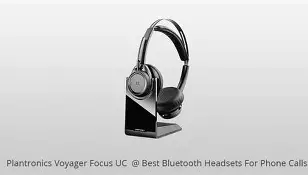
Right away I appreciated the design choices that favored function over fashion. The headset is lightweight, and the earpiece has a soft silicone tip that fits into the ear canal and a small stabilizer that hooks into the concha. After four months I found it comfortable for multi-hour calls — I routinely forgot I had it in after 40–50 minutes, which is a good sign. The finish is matte plastic with a metal band where the boom meets the housing; it feels solid and doesn't creak.
One design annoyance: the power/multi-function button sits on the underside and is slightly recessed, which is great for avoiding accidental presses but awkward when trying to operate it without looking. The volume controls are small and require some fidgeting if you wear gloves. The boom arm is short and flexible, which helps with compactness but makes precise mic placement a little fiddly if you move the headset on and off frequently.
Call quality and microphone performance
This is the heart of the experience, and here's what I observed. In quiet rooms, call clarity was excellent — voices sounded natural, not overly scooped or tinny. The headset uses a directional boom microphone with a small foam windsock. In one-on-one calls my interlocutors consistently told me my voice sounded clearer and fuller than when I used my phone or true wireless earbuds.
Outdoor calls were more revealing. In light wind the boom's wind filter and the headset's beamforming mic did an admirable job at keeping my voice intelligible. In gusty conditions or when I was walking beside a busy road, background noise leaked through: callers reported occasional "muffled whoosh" sounds when wind hit the mic at odd angles. The headset's algorithmic noise suppression is effective for stable, common noises (air conditioners, office hum) but less consistent with highly irregular noises like a passing motorcycle or loud construction jackhammer.
On group calls where multiple people spoke from different positions, the headset still prioritized my voice well. I did notice a slight processing artefact when the headset's noise suppression kicked in during louder background events — a small gating effect that made sudden louder syllables sound slightly clipped. It wasn't a dealbreaker for me, but I mention it because people who frequently walk through very noisy outdoor environments may find it frustrating on occasion.
Bluetooth connectivity and multipoint behavior
Pairing with a single device was painless and fast. The headset supports Bluetooth 5.x (it reports 5.3 in the settings), and in my mixed-device environment it maintained stable connections up to the usual 10–12 meter range when there were minimal obstructions. The advertised multipoint feature (connect to two devices at once) mostly worked as promised: I paired it to my work phone and laptop and it would switch audio roles depending on which device received the call.
However, multipoint wasn't flawless. Occasionally the headset stayed locked to the laptop's audio channel for a few seconds after a call came into my phone, forcing me to reject and redial. The headset recovers quickly but that small delay annoyed me during times when I needed to answer a call urgently. If you rely heavily on instantly switching between devices, expect the occasional hiccup.
Shop the latest Audio & Headphones picks on Amazon.
Shop Amazon →Battery life and charging
The battery life is one of the headset's strongest points. With continuous talk, I averaged between 12–15 hours per charge depending on volume and whether noise cancellation was active. In real-world mixed use (several short bursts, a couple of long calls, standby between calls) I could go three full workdays before needing to recharge. The headset supports fast charging — a 10-minute top-up gave me roughly 2 hours of talk time in my tests, which saved me on a couple of frantic mornings.
A specific complaint: the battery level reporting between devices isn't consistent. My laptop consistently showed an accurate percentage, but my iPhone sometimes reported a "low" warning later than the headset's own LED indicator, so I ended up learning to glance at the headset's tiny status LED before long calls.
Controls and software experience
Physical controls are a mixed bag. The hardware buttons work reliably but require a deliberate press; accidental presses are rare, which I like, but quick double-taps to answer calls take some muscle memory. The short press/long press mappings are fine once you memorize them, but the lack of haptic feedback means you're often uncertain whether a command registered unless your device confirms it.
There is an optional companion app that exposes EQ settings, firmware updates, and a noise-suppression level toggle. I appreciated the firmware updates that introduced small stability improvements during my ownership. However, the app's UI felt slightly rushed — a few labels were terse and a couple of toggles were placed in submenus where I expected them on the main screen. That said, the EQ presets were useful when I used the headset for listening to voice podcasts between calls.
Durability and daily wear
After four months of daily use, the headset has held up well. The silicone ear tips show faint wear but no tearing. The matte plastic is slightly prone to grease fingerprints, but nothing that affects function. I did drop it once onto a tiled floor and only noticed a tiny scuff on the boom hinge. The headset is rated IPX4 for splash resistance, and I used it in light rain without issue; I wouldn't submerge it or wear it in a heavy downpour.
Real-life annoyances I encountered
- I occasionally misplace the headset because it's small; I wish the app had a stronger "find my headset" feature with a louder tone.
- Long hair sometimes catches on the stabilizer during quick head turns; it's a minor design oversight but noticeable.
- When switching between multiple Bluetooth sources in a hurry (phone to laptop to phone), the headset sometimes needs manual intervention to reassign the active audio device.
Pros & Cons
- Pros
- Excellent voice clarity in quiet and moderately noisy environments
- Long talk time — reliable multi-day battery life in mixed use
- Lightweight and comfortable for multi-hour wear
- Fast-charging capability that rescues urgent calls
- Good beamforming mic performance and decent wind handling for everyday use
- Cons
- Multipoint switching can be inconsistent and occasionally slow
- Noise suppression can produce mild gating or clipping in very loud, irregular backgrounds
- Physical controls are small and lack haptic feedback
- Companion app is functional but not polished
- Not ideal if you want complete isolation from ambient noise (single-ear design)
Quick comparison: Bluetooth headset vs other common options
| Device Type | Call Quality | Battery Life | Comfort | Mobility | Best For |
|---|---|---|---|---|---|
| Bluetooth Headset (single-ear) | Very Good (directional mic, beamforming) | Very Long (12–15h talk) | High (lightweight) | Excellent (hands-free, compact) | Phone-focused professionals, commuters, drivers |
| True Wireless Earbuds | Good (varies by model; mics smaller) | Short–Moderate (4–10h, with case) | Moderate (in-ear fatigue possible) | Excellent (small, multipurpose) | Music-first users who also take calls |
| Over-ear Headphones | Good–Very Good (larger mics and better ANC) | Moderate (15–40h, depending) | Variable (heavy on long wear) | Lower (bulky, less portable) | Office-based work, long listening sessions |
| Wired Headset | Excellent (consistent mic) | Unlimited (no battery) | Comfort varies | Poor (tethered) | Call centers, desk-bound professionals |
Buying guide: what to look for in a Bluetooth headset for calls in 2026
If you're considering a headset like this for yourself, here are the practical criteria I used when choosing and what I recommend you prioritize:
1. Microphone quality and noise suppression
Look for a boom microphone with directional pickup and demonstrable wind protection. Algorithmic noise reduction helps a lot in offices and cafes, but make sure the vendor explains how its suppression behaves with transient noise (e.g., traffic, construction). If possible, listen to online sample calls or request a trial.
2. Battery life in real-world conditions
Manufacturers often list ideal numbers. I recommend checking for at least 10–12 hours of continuous talk time if you need an all-day device. Fast-charging is essential — a few minutes can save a meeting.
3. Multipoint and multi-device support
If you bounce between phone and computer frequently, ensure true multipoint support (not just manufacturer buzzwords). Read user reports about device-switch latency. Consider whether you need simultaneous audio on two sources or just easy re-pairing.
4. Comfort and fit
Since you'll likely use this for long calls, prioritize lightweight designs and multiple ear-tip sizes. If you have sensitive ears, try before you buy or ensure a generous return policy.
Find top-rated Audio & Headphones products at great prices.
Browse Now →5. Controls, app, and firmware support
Simple, tactile controls are better in everyday use than touch surfaces that require precise gestures. A companion app that receives regular firmware updates is valuable; look for vendors that publish a history of updates rather than leaving devices untouched after release.
6. Compatibility and codecs
Make sure the headset supports the Bluetooth profiles you need (HFP for calls) and look for modern Bluetooth versions for better range and stability. If you plan to listen to audio too, check supported codecs — though for voice, codec differences are less important than microphone quality.
7. Durability and warranty
Check IP ratings if you'll use the headset outdoors, and prefer brands with a clear warranty and accessible customer support. I valued a one-year warranty and a responsive app-driven firmware path during my ownership.
8. Real-world testing tips
- Test a live call in a busy environment to judge wind handling and noise suppression.
- Try multipoint switching if your workflow requires it.
- Wear the headset for an hour or two in-store (or during a trial) to detect discomfort or pressure points.
- Check firmware update history and read recent user reviews for any recurring pairing or battery issues.
Who should buy this headset — and who should skip it
Buy it if you value reliable talk-time, want better call clarity than your phone or earbuds provide, and need a compact, comfortable device that keeps one ear free. It's particularly good for people who spend much of their day on one-on-one calls while commuting or moving around an office.
Skip it if you want stereo audio as a priority, require perfect noise suppression in extremely loud outdoor settings, or need zero latency for music/gaming — true wireless earbuds or over-ear headsets are often better choices for those use cases. If you prefer a fully isolated listening experience, a single-ear design is also not a match.
Final thoughts
After four months of daily use, the Bluetooth Headset For Phone Calls has become my go-to for voice work. What I found was a product that does most of the core things very well: it gives me clearer voice presence on calls, reliable battery life, and a comfortable fit that survives long meetings. I was pleasantly surprised by how often my callers commented that I sounded better than expected when I used the headset.
At the same time, it's not perfect. Multipoint switching can be inconsistent, and the noise-suppression processing occasionally produces a subtle gating artifact in very noisy, irregular environments. Those downsides are real but manageable depending on your needs.
In my experience, if your main priority in 2026 is phone-call quality—especially while you move around and need one ear free—a dedicated Bluetooth headset like this one is still worth buying. It won't replace a high-end audiophile setup or a noise-cancelling over-ear for music, but as a focused tool for communication, it's practical, durable, and noticeably better than relying on your phone alone.