Is the Pixel 10 Pro Fold better than the Xiaomi 15T Pro? We Tested Both
Category: Mobile Phones
Introduction
Foldables have moved from curiosity to mainstream contender, and flagship slab phones keep raising the bar for performance and price. The Pixel 10 Pro Fold and the Xiaomi 15T Pro represent two different responses to modern buyer priorities: one prioritizes a large flexible canvas for multitasking and media, the other refines the classic candy-bar experience with raw power and a compact footprint. This article walks through hands-on observations and practical comparisons based on real-world use cases—daily tasks, photography, gaming sessions, travel, and long-term ownership concerns—so buyers can decide which phone better matches their needs.
How they were tested
Both devices were evaluated side by side over several weeks in everyday scenarios: email and chat, web browsing, social media, photography in mixed lighting, video streaming, and extended gaming sessions. The testing also included commuting and travel usage (pocketability, battery across a day), accessory compatibility (cases, chargers), and software behavior during multitasking. The goal was to assess practical strengths and trade-offs rather than chase benchmark scores.
Product analysis: Pixel 10 Pro Fold
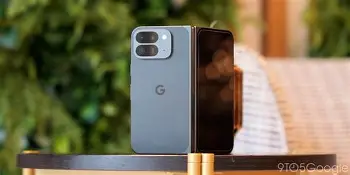
The Pixel 10 Pro Fold approaches the foldable segment from Google’s software-first perspective. In practice, this means a large internal display intended to turn many phone tasks into tablet-like workflows while retaining a usable outer screen for quick interactions.
Design and build
The Pixel 10 Pro Fold feels substantial in hand. The hinge engineering is a focal point: the device opens and closes with predictable resistance, and the fold crease is noticeable in certain lights but not disruptive for most content. The outer display is suitably sized for quick checks and one-handed use, while the inner panel delivers the benefit of expanded screen real estate for split-screen apps and immersive media.
Display and usability
Where foldables shine is in multitasking, and the Pixel’s internal panel makes that advantage tangible. Split-screen app pairings (email+calendar, browser+notes) work smoothly for productivity. The larger canvas is also excellent for reading long-form content and editing photos with more precise touch selection. The outer display handles single-handed tasks well, though the overall device thickness makes prolonged one-handed use tiring compared with traditional phones.
Camera and imaging
True to Google’s strengths, the Pixel 10 Pro Fold prioritizes computational photography. In day-to-day shooting, the camera pipeline produces balanced exposures and color processing that lean toward natural tones. Night and HDR scenes benefit from frame stacking and software stabilization, delivering usable images even in challenging conditions. The foldable format can be an advantage for creative framing—using the device partially folded or propped on a surface for hands-free capture.
Performance and software
Performance under typical workloads is smooth. Apps launch promptly and multitasking across the large display feels fluid. Google’s software optimizations for foldables are evident: apps transition cleanly between outer and inner screens, and multi-window gestures are intuitive for users who take the time to learn them. The Pixel’s advantage also includes a more conservative app environment with the promise of timely OS and security updates, which matters for long-term ownership.
Shop the latest Mobile Phones picks on Amazon.
View Offers →Battery and charging
Battery life in daily use sits in the “reliable” category: a full day of mixed use is achievable but heavy screen-on time with the inner display active more frequently requires mid-day charging for power users. Charging speeds are adequate for topping up during breaks but are not the fastest in class compared with some slab competitors that emphasize rapid charging rates.
Durability and repairability
Foldables add complexity to durability. The Pixel’s hinge and flexible display require careful handling; the device tolerates normal use well, but buyers should expect a different longevity profile compared with unibody phones. Protective cases and cautious pocket habits are recommended. Repairability is improving in the industry, but buyers should budget for above-average repair costs relative to non-foldables.
Product analysis: Xiaomi 15T Pro
The Xiaomi 15T Pro represents the refined flagship slab: a high-performance, well-equipped phone with a focus on value, power, and camera versatility. It targets buyers who want a top-tier regular phone experience without the compromises or premium pricing of some foldables.
Design and build
The Xiaomi 15T Pro follows a familiar premium formula: slim profile, balanced weight, and good ergonomics for one-handed use. The build quality feels solid, and the handset slips into a pocket more comfortably than a foldable. For users who prioritize portability and pocketability, this is a clear advantage.
Display and usability
The 15T Pro’s main display is bright and color-accurate, making it great for streaming video and gaming. While it can’t match the foldable’s extra workspace, it provides a satisfying single-screen experience with high refresh rates and responsive touch. For readers and users who prefer using one app at a time, the slab design keeps interactions straightforward and efficient.
Camera and imaging
Xiaomi has typically emphasized hardware and flexibility in camera setups. The 15T Pro offers a multi-lens arrangement that covers wide, ultra-wide, and telephoto needs in a compact package. Images tend to be punchy with vivid colors—a look that many users enjoy for social sharing. In mixed lighting, the results are competitive, though color rendering and dynamic range may differ from the Pixel’s more restrained processing.
Performance and software
Where the 15T Pro stands out is raw performance. It handles heavy games and high-refresh-rate content with ease, and thermal management keeps sustained performance stable for long sessions. Xiaomi’s software offers many customization options, which is attractive to power users, but the update cadence can be less predictable than Pixel’s, and some preinstalled apps or skin-specific quirks may require adjustment.
Battery and charging
One of Xiaomi’s strengths is aggressive charging technology. The 15T Pro supports fast charging that makes topping up quick and convenient—useful for users who want minimal downtime. Battery endurance under mixed use tends to be very good, and fast charging mitigates shorter full-day battery anxiety for most users.
Shop the latest Mobile Phones picks on Amazon.
See Deals →Durability and repairability
The slab design simplifies durability concerns. The Xiaomi feels robust and benefits from a more conventional repair ecosystem—screen replacements and battery repairs are generally cheaper and more straightforward compared with foldables. Cases and protectors are widely available, which helps preserve the device over time.

Pros & cons
Pixel 10 Pro Fold
- Pros: Large inner display for multitasking and media, Google’s computational photography and software polish, timely updates, unique form factor for productivity and creativity.
- Cons: Larger and heavier—less pocket-friendly, higher potential repair costs, battery life can suffer with heavy inner-screen use, crease and hinge durability concerns for careful owners.
Xiaomi 15T Pro
- Pros: Compact and pocketable, strong raw performance for gaming and demanding apps, fast charging and solid battery life, generally lower repair costs and widely available accessories.
- Cons: No foldable multitasking canvas, camera processing favors punchier tones (may not suit users who prefer natural color), software skin may include bloatware and less predictable update frequency.
Side-by-side comparison
| Category | Pixel 10 Pro Fold | Xiaomi 15T Pro |
|---|---|---|
| Design | Foldable, larger footprint when open, premium materials, hinge mechanism | Slim slab, pocket-friendly, traditional unibody feel |
| Display | Large inner display ideal for multitasking and reading; outer screen for quick tasks | High-quality single display with high refresh rate and excellent color for media |
| Portability | Heavier and thicker—less comfortable in small pockets | More portable and easier to handle one-handed |
| Camera | Computational photography focus—natural colors, strong low-light handling | Hardware versatility—punchy colors, flexible lens options |
| Performance | Smooth for everyday and multitasking; well-optimized software | Top-tier raw performance—great for gaming and sustained loads |
| Battery & Charging | Reliable day-long battery for typical use; moderate charging speeds | Long battery life with aggressive fast-charging options |
| Software & Updates | Clean Pixel experience with timely OS updates and security patches | Feature-rich custom skin but update cadence may vary |
| Value & Repairs | Premium price with potentially higher repair costs | Generally better value for performance and lower repair costs |
Buying guide: Which should we recommend and to whom?
Deciding between a foldable and a high-end slab phone mainly comes down to how a buyer plans to use the device day to day. Below are the key considerations and suggested audiences for each device.
Choose the Pixel 10 Pro Fold if...
- You prioritize multitasking and productivity: The internal display is a genuine productivity booster for those who use email, documents, and split-screen apps frequently.
- Photography philosophy values natural results: Buyers who favor natural color reproduction and reliable computational photography will appreciate the Pixel processing approach.
- You want long-term software support: Regular OS and security updates are important for buyers who keep phones for several years.
- You value unique form factors: Users who enjoy experimenting with new workflows—using a phone as a small tablet—will benefit from the foldable format.
Choose the Xiaomi 15T Pro if...
- You want maximum performance for gaming: The slab design and thermal management favor sustained high-framerate gaming and heavy apps.
- Portability matters: For those who pocket their phone constantly or prefer one-handed use, a traditional slim phone is easier to live with.
- Fast charging is a priority: Users who need quick top-ups between meetings or commutes will appreciate rapid charging.
- Value-conscious power users: Buyers who want top-tier hardware without the additional premium of foldables will find strong value.
Other practical buying tips
- Try them in person: Foldables feel different. Hold the Pixel 10 Pro Fold, open it, and consider how often the inner display will actually be used. Pocket it to gauge comfort with the added thickness.
- Consider case and accessory availability: Slab phones generally have broader accessory ecosystems. If a wide selection of protective cases or aftermarket accessories is important, check availability before buying.
- Factor repair and insurance costs: Repairing a foldable screen or hinge can be expensive. Extended warranty or insurance is often worth the cost for foldable buyers.
- Look at software update policies: Update longevity affects resale value and device security. For long-term ownership, favor phones with clear update commitments.
- Match the phone to daily routines: If most days involve commuting, pockets, and quick interactions, a slab may be more convenient. If work requires mobile multitasking or content creation, a foldable could improve productivity.
Real-world use cases
To make the choice more concrete, here are typical buyer profiles and how each phone performs in those situations:
- Frequent traveler: The Xiaomi 15T Pro is easier to carry and charges quickly between flights; it is a better companion for travelers who value portability and battery top-ups.
- Remote worker and multitasker: The Pixel 10 Pro Fold shines for people who work on email, documents, and video calls while commuting or between meetings—its larger canvas approximates a small tablet for productivity.
- Mobile gamer: The Xiaomi 15T Pro’s sustained performance and thermal control make it more suitable for long gaming sessions.
- Photographer/social creator: Both phones deliver strong images, but the choice depends on the desired look: Pixel for natural, balanced images; Xiaomi for punchier, more vivid results straight out of the camera.
- Budget-conscious flagship buyer: If maximizing hardware per dollar is a priority, the slab option generally offers more straightforward value.
Conclusion
Both the Pixel 10 Pro Fold and the Xiaomi 15T Pro present compelling but different visions of what a flagship phone should be. The Pixel 10 Pro Fold offers a unique, productivity-forward experience through its larger foldable display and Google’s software strengths. It’s a strong pick for buyers who will genuinely use the extra screen for multitasking, creativity, or media consumption and who value long-term software support.
The Xiaomi 15T Pro, on the other hand, refines the classic flagship formula: superior pocketability, aggressive performance, fast charging, and a camera system that produces vivid images with minimal fuss. It is the better choice for users who prize portability, raw speed, and value for money.
Ultimately, the decision comes down to whether the added flexibility of a foldable aligns with daily routines enough to justify the trade-offs in size, cost, and potential repair complexity. For buyers who want an everyday powerhouse that is easy to carry and quick to charge, the Xiaomi 15T Pro is a sensible and practical option. For those excited by a portable tablet experience and who believe they will use the extra display for real productivity gains, the Pixel 10 Pro Fold offers an experience that is different enough to be worth considering.